Skip to content
Skip to content

Practical reception guide · By Yes AI

Handling spam and sales calls with an AI receptionist

Published 5 min read

Business lines attract sales pitches, recorded robocalls and scam callers. A human receptionist learns to spot them over time; an AI receptionist follows the rules you give it. This guide covers how to write those rules so genuine customers still get through, staff are not interrupted and the receptionist never hands information to a scammer.

Quick answer

Give your AI receptionist written rules for three kinds of unwanted calls: sales pitches (take a short message for review, never transfer), automated or silent calls (end politely after a set time) and possible scams (never confirm staff details, bank details or account information, and never act on payment changes). Business numbers cannot be listed on the Do Not Call Register, so screening depends on your own rules.

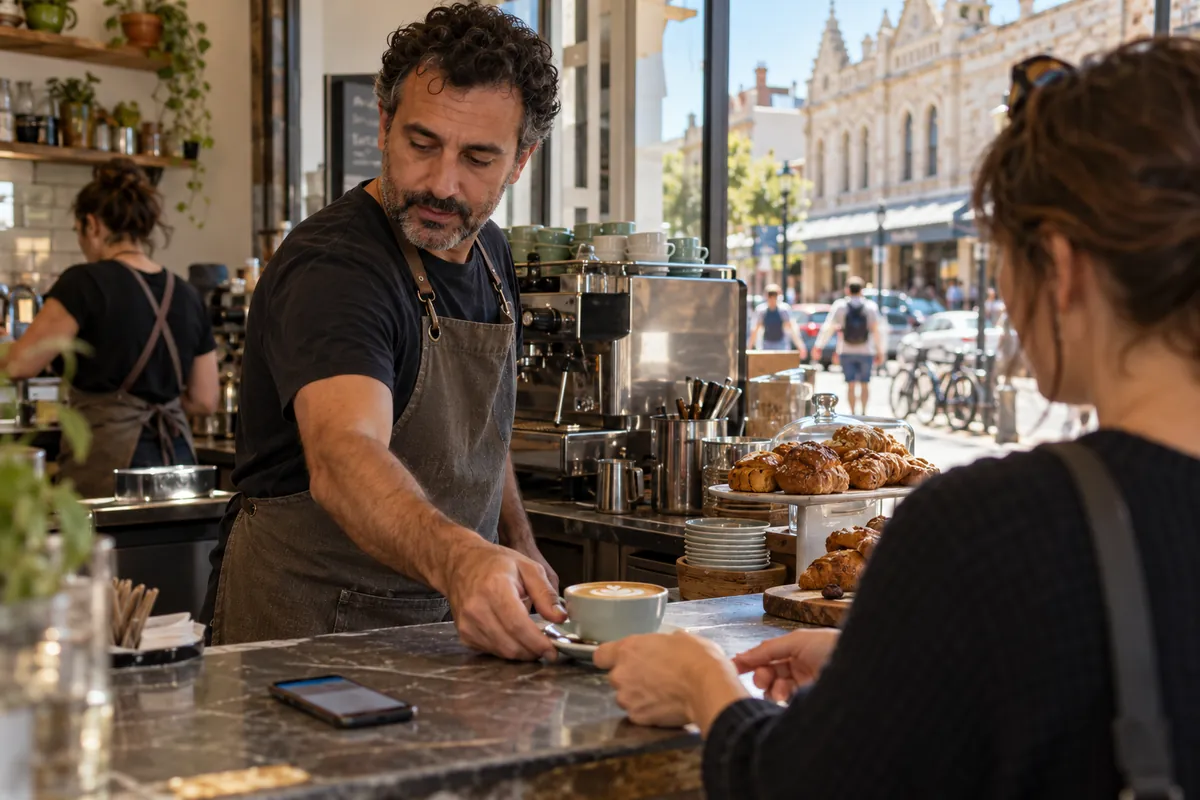
Cafe owner glancing at a ringing mobile on the counter while serving a customer in a Fremantle cafe

Why can't a business stop sales calls at the source?

The Do Not Call Register is not available for most business lines. Its registration page states that a number used or maintained primarily for business purposes cannot be registered, unless it is a fax number. Scam calls are a separate matter: the ACMA registers and enforces rules that require telcos to identify, trace and block scam calls and SMS. A legitimate supplier ringing to pitch a product is not a scam, so those calls still reach you. Screening them is up to your own call handling, which makes the receptionist's rules the main control.

How should the receptionist handle a sales pitch?

Teach the receptionist the pattern: the caller asks for 'the person who looks after' a function, or opens with what their company does for businesses like yours. It should take the caller's name, company, number and a one-line summary of the offer, explain that suppliers are contacted if there is interest, and end the call. It should not transfer sales calls live or give out staff names and direct numbers. Send these messages to staff as a weekly digest rather than one alert per call.

Keep a list of existing suppliers, contractors and partners by name and company, so the receptionist treats a call from your accountant or main wholesaler as normal business. When a screened call turns out to be from a real customer, add the pattern to the rules.

What about robocalls and silent calls?

Recorded messages and silent lines waste minutes and, on some plans, billable calls. Set the receptionist to end a call politely after a short period of silence or when the caller is a recorded message, and never to press keys in response to a recording. Take care with silence, though. A silent caller may have a speech difficulty, a poor connection or be unable to talk safely. Before ending, the receptionist can offer another way to make contact, such as a text message or the website, and log the number so staff can follow up if it looks genuine.

How do scam callers target a business line?

Scam calls to businesses can seek information or money. Callers may pose as a supplier asking to update bank details, as a telco or bank needing account confirmation, or as a colleague who needs a staff member's mobile number. The Australian Cyber Security Centre lists an unexpected change of bank details and an urgent payment request as warning signs, and recommends checking with the person or organisation using contact details you have verified separately. Your receptionist rules should match: never confirm, collect or change payment details, and flag any such request for a person to verify. Keep these out of its answers entirely:

  • Staff mobile numbers and personal email addresses
  • Bank account, payment or invoice details
  • Whether a named person is in the office or on leave
  • Login, account or security details for any system

Should spam calls count toward your bill?

If your plan charges per call or per minute, unwanted calls cost money even when they are handled well. Ask the provider how it counts hang-ups, silent calls, robocalls and sales calls, and whether its reports show them separately. Look at a month of your own call records first to see how many unwanted calls you receive, because that number decides how much the billing rule matters. Our guide to comparing answering service quotes shows how to price these rules against your own call log.

How do you keep the rules accurate?

Review the screened calls weekly for the first months. Look for genuine customers who were treated as sales calls, such as a new commercial client introducing themselves, and for sales callers who got through by asking for a named staff member. Add genuine callers to the known-supplier list and tighten the wording that let sales calls through. Ask staff to report any unwanted call that reached them, with the time, so you can find it in the call log and see which rule missed it.

Hypothetical example: rules for unwanted calls

Call typeHow it often startsReceptionist actionWhat staff receive
Sales pitchAsks for 'whoever looks after' marketing, energy or ITTakes name, company, number and offer; no transferA weekly digest of sales messages
Recorded robocallA recorded voice or a prompt to press a keyEnds the call politely and presses nothingLogged only
Silent callNo response to the greetingOffers text or website contact, then ends the callNumber logged for follow-up if it looks genuine
Bank detail changeCaller says they are a supplier with new account detailsTakes a message only and confirms nothingA flag to verify using contact details already held
Request for a staff mobileCaller claims to be a colleague or contractorOffers to pass on a messageA message to the staff member named
Known supplierName and company match your supplier listHandled as normal businessA message or transfer under your usual rules

Practical checklist

  • Sales calls are never transferred live, and known suppliers are listed by name so they still get through.
  • The receptionist never confirms, collects or changes bank, payment or account details.
  • Staff mobile numbers and internal email addresses are not in the receptionist's information.
  • Silent callers are offered another way to make contact before the call ends.
  • Payment change requests are flagged for checking with contact details you already hold.
  • The provider has explained in writing whether spam and silent calls are billable.

Common questions

Will the receptionist treat a real customer as a sales call by mistake?

It can, which is why screened calls should end with a message rather than a hang-up, and why the weekly review matters. A genuine customer who was treated as a sales caller still leaves their details, so staff can call back. Adjust the rules each time it happens so the same pattern is recognised next time.

Can the receptionist block numbers?

Number blocking, where available, is set in your phone system or by your carrier rather than in the receptionist. If the same number keeps calling, ask whoever manages your phone system whether it supports a block list. The receptionist can log repeat callers so you have the numbers and times to give them.

Should it ask sales callers to remove us from their list?

It can ask, politely and briefly, and record the request in the message. That gives you a dated note if the same company keeps calling, which helps when you raise it with the company directly or decide to have the number blocked by your phone provider.

Should staff tell the receptionist about scams they hear about?

Yes. If a supplier warns you that scammers are using its name, or staff receive a suspicious call, add a short note to the receptionist's rules, such as which supplier names need extra care. Remove the note once the warning is no longer current, so the rules stay short enough to follow reliably.

What if a caller says they are from our bank, telco or the ATO?

The receptionist should not confirm any account, payment or identity information, and should take a message instead. Staff can then contact the organisation using a number from its official website or your own records, as the Australian Cyber Security Centre recommends, rather than any number the caller gave.

Sources and further reading

Continue planning

Turn the guide into your call flow

Bring your current call-handling process and the exceptions your team encounters. We can discuss what to automate, what needs staff approval and what to test before changing your live phone service.